Best Time to Visit Japan from India in 2027: Month-by-Month Weather, Costs and Travel Tips
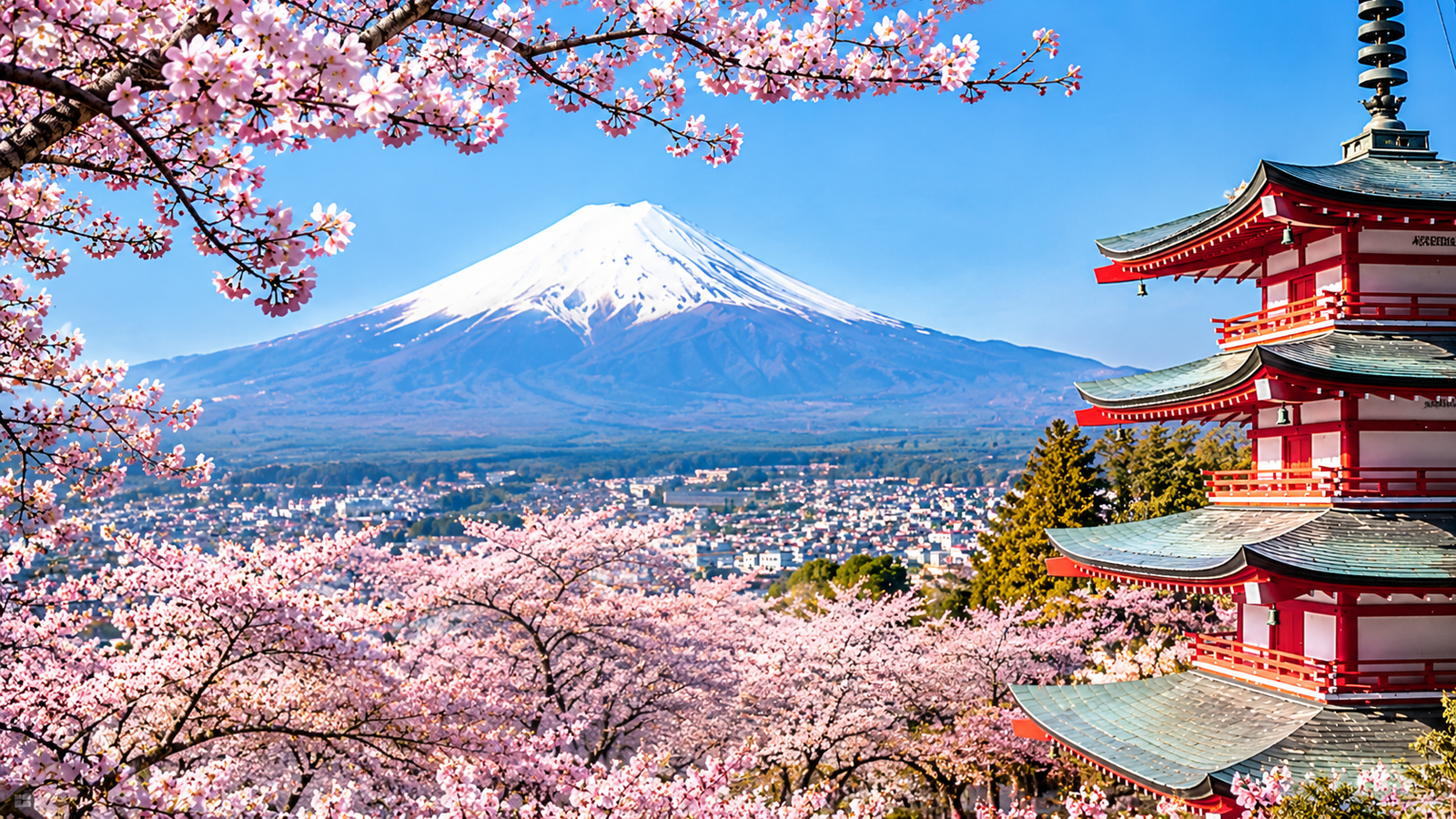
Planning a trip to Japan in 2027? Japan is a destination that offers something special in every season—from beautiful cherry blossoms in spring and colourful autumn leaves to snowy mountains, traditional temples, modern cities and delicious Japanese food.
However, choosing the right month can make a big difference to your travel experience and budget. Some months are ideal for sightseeing, while others are better for skiing, festivals or avoiding large tourist crowds.
For Indian travellers, the best time to visit Japan generally depends on three things: the weather, your travel budget and the experiences you want to enjoy.
In this guide, we will explore the best time to visit Japan from India in 2027, including month-by-month weather, the four seasons, cherry blossom dates, popular cities, estimated trip costs, visa information and flight-booking tips.
Why Visit Japan in 2027?
Japan is one of the most fascinating destinations for international travellers. It combines ancient traditions with modern technology, peaceful natural landscapes and exciting city life.
Whether you want to explore Tokyo's famous streets, visit Kyoto's historic temples, see Mount Fuji or experience cherry blossom season, Japan offers memorable experiences throughout the year.
Here are some reasons why Japan deserves a place on your 2027 travel list:
- Cherry blossoms: Experience the famous sakura season, when parks and streets are covered in pink and white flowers.
- Rich culture and history: Visit traditional temples, shrines, castles and historic neighbourhoods.
- Beautiful landscapes: Explore Mount Fuji, Japanese gardens, mountains, lakes and scenic countryside.
- Amazing food: Try sushi, ramen, tempura, Japanese curry and authentic local dishes.
- Modern cities: Discover Tokyo's shopping districts, entertainment, technology and nightlife.
- Four distinct seasons: Enjoy spring flowers, summer festivals, autumn colours and winter snow.
Japan is also an appealing destination for Indian travellers because you can experience a different culture, efficient public transport and a wide variety of attractions in one trip.
Best Time to Visit Japan from India in 2027
The best time to visit Japan from India in 2027 is generally spring (March to May) and autumn (September to November).
These seasons usually offer comfortable conditions for sightseeing, walking around cities and exploring popular tourist attractions.
However, the ideal month depends on what you want to experience.
Spring: March to May
Spring is one of the most popular seasons to visit Japan. The weather gradually becomes warmer, flowers begin to bloom and cherry blossom trees create beautiful scenery.
It is an excellent time to visit Tokyo, Kyoto, Osaka and Mount Fuji.
Best for: Cherry blossoms, sightseeing, gardens, photography and pleasant weather.
Autumn: September to November
Autumn is another excellent season for travelling around Japan. Temperatures become cooler, humidity generally decreases and trees turn beautiful shades of red, orange and yellow.
Kyoto is especially popular during autumn because of its temples, gardens and colourful landscapes.
Best for: Autumn foliage, outdoor sightseeing, photography and comfortable city exploration.
Summer: June to August
Summer can be hot and humid, especially in major cities such as Tokyo and Osaka. June and July also bring rainy-season conditions to many parts of the country.
However, summer is a great time to experience traditional festivals, fireworks, beaches and mountain destinations.
Best for: Festivals, fireworks, beaches and mountain escapes.
Winter: December to February
Winter is ideal for travellers who want to experience snowfall, skiing, winter scenery and hot spring resorts.
Northern Japan, especially Hokkaido, is famous for its snow-covered landscapes and winter activities.
Best for: Snowfall, skiing, snow festivals and hot springs.
My recommendation: If this is your first trip to Japan, consider April or October–November. These periods offer a good balance of sightseeing opportunities and seasonal beauty. Remember that popular dates can be crowded and more expensive.
Japan Seasons Explained: Spring, Summer, Autumn and Winter
Japan experiences four distinct seasons, and each offers a different travel experience.
Spring in Japan (March to May)
Spring is famous for cherry blossoms, pleasant temperatures and beautiful parks.
During this season, visitors can enjoy hanami, the Japanese tradition of viewing cherry blossoms. Popular places include Ueno Park in Tokyo, Maruyama Park in Kyoto and Osaka Castle Park.
Temperatures gradually rise during spring, although mornings and evenings can still be cool.
Travel tips:
- Carry a light jacket or sweater.
- Book accommodation early if travelling during cherry blossom season.
- Check the local bloom forecast before finalising your itinerary.
- Be aware that Japan's Golden Week holiday period around late April and early May can be busy.
Summer in Japan (June to August)
Japanese summers are generally hot and humid. June and July are rainy in many regions, while August can bring intense heat and a higher risk of typhoons.
Despite the weather, summer is full of cultural celebrations. You can enjoy fireworks festivals, traditional events, mountain scenery and coastal destinations.
Hokkaido is often a more comfortable option for travellers looking to escape the heat of central Japan.
Travel tips:
- Wear breathable and lightweight clothing.
- Carry an umbrella or rain jacket.
- Stay hydrated during outdoor sightseeing.
- Check weather alerts, especially during typhoon season.
Autumn in Japan (September to November)
Autumn is one of the most beautiful times to explore Japan. The weather gradually cools, and forests, parks and temple gardens display vibrant autumn colours.
The autumn foliage season generally moves from northern Japan towards the south. The exact timing varies by location and weather conditions.
Popular destinations include Kyoto, Nikko, Tokyo and the Japanese Alps.
Travel tips:
- Pack comfortable walking shoes.
- Carry light layers for cooler evenings.
- Reserve hotels early in popular autumn foliage destinations.
- Check local foliage updates before visiting specific gardens and parks.
Winter in Japan (December to February)
Winter brings cold weather to much of Japan, while northern and mountainous areas receive substantial snowfall.
Hokkaido is especially popular for skiing and snowboarding. Visitors can also enjoy winter festivals, traditional hot springs and beautiful snowy landscapes.
Tokyo and Osaka generally experience less snowfall than northern Japan, making them suitable for city sightseeing with warm clothing.
Travel tips:
- Pack a warm coat, gloves and thermal clothing.
- Choose waterproof shoes if visiting snowy areas.
- Check transport conditions during heavy snowfall.
- Book ski resorts and popular winter accommodation in advance.
Best Month to Visit Japan in 2027: Month-by-Month Guide
Not sure which month to choose? Here is a quick month-by-month guide to help you plan your Japan trip.
| Month | Weather and travel experience | Recommendation |
|---|---|---|
| January | Cold weather; snow in northern regions | Best for snow activities |
| February | Winter scenery and skiing | Great for Hokkaido |
| March | Spring begins; early cherry blossoms in some areas | Good for spring travel |
| April | Cherry blossom season in many popular cities | Excellent, but busy |
| May | Pleasant weather and fresh greenery | Great for sightseeing |
| June | Rainy season in many regions | Better for flexible travellers |
| July | Hot and humid; summer festivals | Good for festivals |
| August | Hot weather, fireworks and possible typhoons | Best for summer experiences |
| September | Gradual transition towards autumn | Good with weather flexibility |
| October | Cooler weather and autumn scenery | Excellent for sightseeing |
| November | Beautiful autumn foliage in many regions | Excellent for photography |
| December | Cold weather and winter illuminations | Great for winter travel |
Which month should you choose?
- For cherry blossoms: Late March to early April is a common planning window for Tokyo and Kyoto.
- For comfortable weather: April, May and October are good choices.
- For autumn colours: October and November are popular, depending on the region.
- For snow and skiing: January and February are excellent options.
- For lower-cost travel: Consider comparing dates in January, February or June, while checking local weather and holiday periods.
These are general seasonal patterns, not guaranteed forecasts for 2027. Weather and flowering dates can change from year to year.
Best Time to See Cherry Blossoms in Japan in 2027
Cherry blossom season, known as sakura season, is one of the biggest reasons international travellers visit Japan.
During this period, cherry trees bloom across parks, riversides, gardens and historic areas. The scenery is especially beautiful in Tokyo, Kyoto and Osaka.
When do cherry blossoms bloom in Japan?
In many popular central Japanese destinations, cherry blossoms typically begin appearing around late March and reach their peak around late March or early April.
However, the season varies across Japan. Southern areas can bloom earlier, while northern destinations such as Hokkaido generally bloom later.
| Destination | General cherry blossom period |
|---|---|
| Tokyo | Late March to early April |
| Kyoto | Late March to early April |
| Osaka | Late March to early April |
| Hiroshima | Late March to early April |
| Hokkaido | Late April to early May |
These are approximate seasonal windows, not confirmed 2027 dates. The actual timing depends on temperatures and weather conditions.
Best places to see cherry blossoms
Tokyo: Visit Ueno Park, Shinjuku Gyoen and the Meguro River for beautiful cherry blossom views.
Kyoto: Explore Maruyama Park, the Philosopher's Path and the surroundings of Kiyomizu-dera.
Osaka: Osaka Castle Park is a popular place to enjoy cherry blossoms with historic architecture in the background.
Hokkaido: If you miss the main spring bloom in central Japan, later-flowering areas such as Hakodate can offer another opportunity.
Tips for planning a cherry blossom trip in 2027
- Start planning several months in advance.
- Choose flexible accommodation where possible.
- Follow updated cherry blossom forecasts closer to your travel dates.
- Avoid assuming that every city will bloom at the same time.
- Expect larger crowds and higher accommodation demand during peak bloom.
Important: A reliable 2027 forecast may not be available this far in advance. Use historical dates only as a starting point and check updated forecasts before departure.
Best Time to Visit Tokyo, Kyoto and Osaka
Many Indian travellers include Tokyo, Kyoto and Osaka in their first Japan itinerary. These cities are relatively easy to connect by train and offer different experiences.
Best time to visit Tokyo
Tokyo is a year-round destination, but spring and autumn are particularly attractive for sightseeing.
In spring, explore cherry blossom parks and gardens. In autumn, enjoy colourful leaves and comfortable walks around the city.
Top attractions:
- Shibuya Crossing
- Senso-ji Temple
- Tokyo Skytree
- Shinjuku Gyoen
- Meiji Jingu Shrine
Recommended months: March–May and October–November.
Best time to visit Kyoto
Kyoto is famous for traditional temples, shrines, gardens and historic streets.
Spring brings cherry blossoms, while autumn transforms temple gardens and surrounding hills with colourful foliage.
Top attractions:
- Fushimi Inari Taisha
- Arashiyama Bamboo Grove
- Kiyomizu-dera
- Kinkaku-ji
- Gion district
Recommended months: April and November, depending on your preferred seasonal scenery.
Best time to visit Osaka
Osaka is known for its food, shopping, nightlife and friendly atmosphere.
Spring is a great time to visit Osaka Castle Park, while autumn offers pleasant weather for exploring the city.
Top attractions:
- Osaka Castle
- Dotonbori
- Universal Studios Japan
- Kuromon Market
- Umeda Sky Building
Recommended months: March–May and October–November.
Japan Trip Cost from India in 2027
One of the most common questions Indian travellers ask is: How much does a Japan trip cost from India?
Your total budget depends on your departure city, flight prices, hotel category, number of days, transport choices, shopping and travel season.
For a rough planning estimate, an independent 7–8 day trip may cost around the following per person, assuming two people share a hotel room.
| Travel style | Estimated budget per person |
|---|---|
| Budget | ₹1.15 lakh–₹1.50 lakh |
| Mid-range | ₹1.65 lakh–₹2.35 lakh |
| Comfortable | ₹2.80 lakh–₹4 lakh or more |
These are indicative planning estimates, not fixed package prices. Peak cherry blossom dates, holidays and last-minute bookings can increase costs.
Approximate expense breakdown
| Expense | Estimated cost per person |
|---|---|
| Return flights from India | ₹45,000–₹85,000+ |
| Hotels for 7 nights | ₹20,000–₹70,000+ |
| Food | ₹15,000–₹35,000 |
| Local transport | ₹5,000–₹12,000 |
| Intercity travel | ₹12,000–₹20,000 |
| Attractions and activities | ₹3,000–₹12,000 |
| Visa and application-related charges | Check current fees |
The actual amount depends on your route, hotel selection, exchange rate and travel dates.
How can Indian travellers save money in Japan?
- Compare flights from Delhi, Mumbai, Bengaluru and other major airports.
- Travel outside the busiest cherry blossom and holiday periods.
- Book hotels near convenient train or metro stations.
- Use local transport passes only when they offer genuine savings.
- Eat at local restaurants and affordable food outlets.
- Plan your route to avoid unnecessary long-distance journeys.
- Keep a separate budget for shopping and unexpected expenses.
For a first trip, a 7–8 day itinerary covering Tokyo, Kyoto and Osaka is a practical starting point.
Japan Visa Requirements for Indian Travellers in 2027
Indian passport holders need a visa to visit Japan for tourism.
Japan offers an eVISA process for eligible short-term tourism applicants residing in India. Applications are submitted through the designated Visa Application Centre process, and eligible applicants receive an electronic visa.
Common documents required
The exact checklist depends on your circumstances and the current application rules. Commonly requested documents may include:
- Valid Indian passport.
- Completed visa application form.
- Recent photograph.
- Confirmed or proposed travel itinerary.
- Flight and accommodation details, as required.
- Bank statements or proof of financial capacity.
- Employment, business or student documents, where applicable.
- Additional supporting documents requested by the visa authorities.
Japan visa fee for Indian citizens
According to the Embassy of Japan in India, the visa fee for Indian nationals is ₹500 for single- or multiple-entry visas from 1 July 2026. A VFS service fee is charged separately.
Fees and application procedures can change, so check the latest official information before applying.
When should you apply?
The Embassy states that applications can be accepted up to three months before the planned travel date. Apply early enough to allow for document preparation and processing.
Official visa information: https://www.in.emb-japan.go.jp/itpr_en/Visa.html
Do not book non-refundable travel arrangements until you have considered the visa-processing requirements and your own risk.
Best Time to Book Flights and Hotels from India to Japan
Flight and hotel prices can vary significantly depending on the season.
If you want to visit Japan during cherry blossom season or autumn foliage season, start comparing prices early. These are popular travel periods, and accommodation in famous areas can become expensive.
When should you book flights?
For a planned 2027 trip, start monitoring fares several months before departure. Booking around 3–6 months ahead can give you time to compare routes and schedules, although there is no guaranteed cheapest booking window.
Compare:
- Direct and connecting flights.
- Different Indian departure cities.
- Tokyo and Osaka arrival options.
- Baggage allowance and transit time.
- Refund and date-change conditions.
When should you book hotels?
For late March and early April, consider reserving accommodation well in advance, ideally with free cancellation if your plans may change.
The same applies to popular autumn foliage destinations in October and November.
Best booking tips for Indian travellers
- Compare prices across multiple booking platforms.
- Check whether breakfast is included.
- Look at hotels close to train stations.
- Avoid booking only by price; check transport convenience.
- Consider arriving in Tokyo and departing from Osaka, or the reverse, if it suits your itinerary.
A little planning can help you save money and spend more time exploring Japan.
Statutory FAQs
Spring (March–May) and autumn (September–November) are generally the best seasons. April is popular for cherry blossoms, while October and November are excellent for autumn scenery.
January, February and June may offer better flight or hotel deals than peak spring dates, but prices vary by departure city, airline, holidays and availability. Compare actual travel dates before booking.
Yes. April is a popular month because of cherry blossoms and generally pleasant spring weather. However, popular destinations can be crowded and accommodation may cost more.
Yes. January and February are excellent months for snow experiences in Hokkaido and mountainous regions. Popular destinations include Niseko and areas around Nagano.
Seven to ten days is a good starting point for a first trip covering Tokyo, Kyoto and Osaka. If you want to visit Hokkaido, Hiroshima or other regions, consider a longer itinerary.
Japan can be visited on different budgets. Costs depend on flights, accommodation, transport, food and shopping. Planning ahead and choosing convenient budget accommodation can help control expenses.
Yes. Indian passport holders need a visa for tourism. Eligible applicants residing in India can use the Japan eVISA application process through the designated VFS route. Always check the latest official requirements.
In Tokyo, Kyoto and Osaka, cherry blossoms commonly bloom around late March to early April. The exact 2027 dates will depend on weather conditions and should be checked through updated forecasts.
September can be a good month, especially later in the month as temperatures begin to ease. However, it is still part of the typhoon season, so keep your itinerary flexible and monitor weather updates.
Both are excellent. Choose spring for cherry blossoms and fresh greenery. Choose autumn for colourful leaves and generally comfortable sightseeing weather.
Ask a question
Have a question about this article? Ask below and our team will reply.